

Burst the Continuum (BTC) Consulting Inc.’s core competency lies in the design, development, and delivery of intercultural learning programs to newcomers and Canadians in the workplace. Clients include the private and public sectors as well as not-for-profit organizations and post-secondary institutions.
BTC is a reference to the Intercultural Development Continuum based on Milton Bennet’s (1986) Developmental Model of Intercultural Sensitivity. BTC specializes in administering the intercultural competency assessment tool called the Intercultural Development InventoryTM (IDI), and the continuum is the underlying framework for the assessment.
The consultancy collaborates with other consulting experts in educational programming. It brings teams of experts together to provide exceptional customized service.
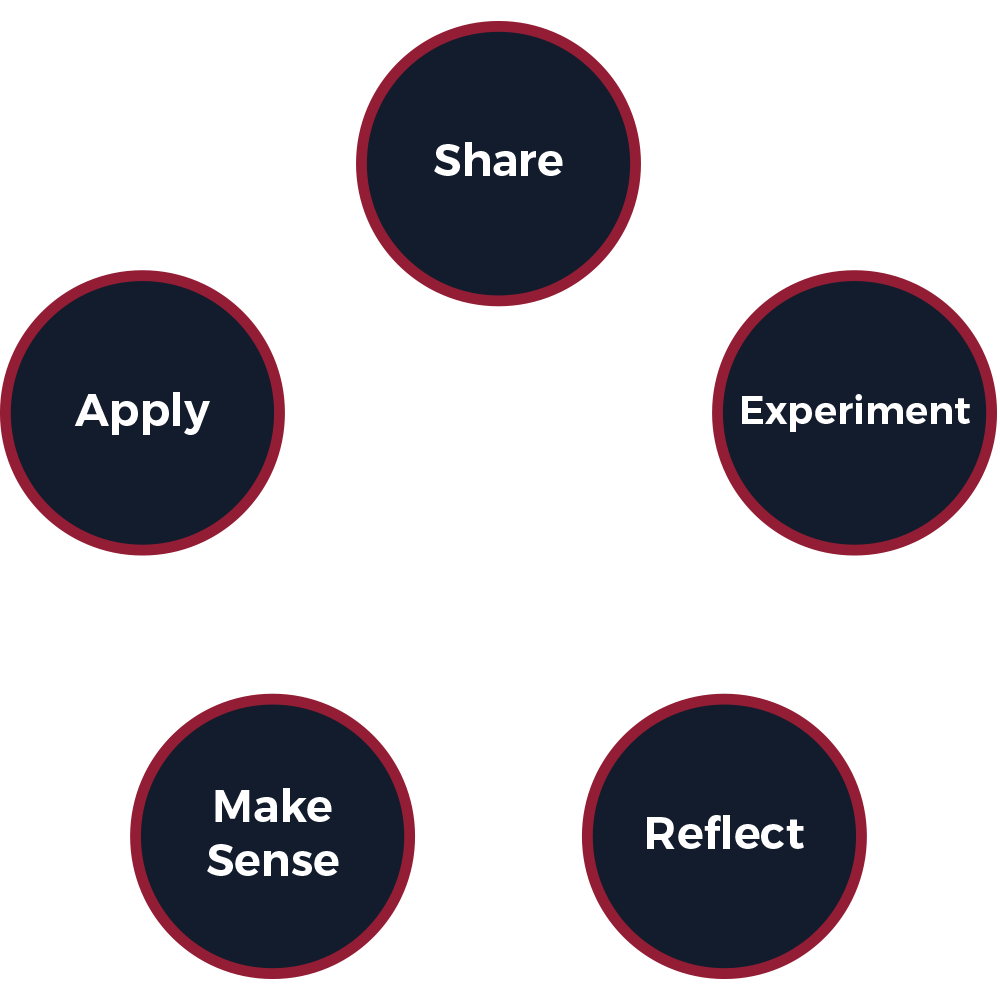
Our team consists of dedicated educators with a teaching & learning approach that is learner-centred. We understand the role of the teacher as facilitator and co-creator of knowledge that is applicable to the adult learners’ real-life circumstances. We have diverse adult learning competencies spanning participatory community-centred curriculum design and delivery to delivery in more formal institutional contexts. We have strengths in Intercultural Competency Training as well as in Action Learning focused program design and evaluation. We will bring both French and English oral, written, and online communication skills to this important work.
The underlying adult education theory we ascribe to is principally David Kolb’s Experiential Learning Theory however, our approach is adapted to the online learning environment. In this approach, learners and/or the facilitator(s) share stories through which they experience various intercultural scenarios. Through a guided reflection process, learners increase their own awareness and the context in which they work and live.
Since the Experiential Learning Cycle is based on applying new knowledge which includes “making mistakes,” the facilitation philosophy is firmly based in Carol Dweck’s Growth Mindset Theory. The growth mindset approach to facilitation normalizes the fact that learning is messy. We make mistakes and that is the fastest way to learn.